mobile app development
Increase Mobile App Engagement: Proven Strategies That Actually Work

 Dec 24, 2025


Key Takeaways
Mobile apps have become an essential part of everyday life. People use apps to shop, learn, communicate, manage finances, track health, play games, and run businesses. With millions of apps available across app stores, users have more choices than ever. This abundance creates a major challenge for businesses: getting users to download an app is hard, but keeping them engaged is even harder.
Most mobile apps lose a significant portion of users within the first few days after installation. Even apps with strong initial traction often struggle to maintain long-term engagement. Users uninstall apps quickly if they feel confused, overwhelmed, bored, or simply see no ongoing value. That is why increasing mobile app engagement has become one of the most critical goals for app owners, product managers, and marketers.
This article explores proven strategies that actually work to increase mobile app engagement. You will learn how to design meaningful experiences, personalize interactions, build habits, and create lasting relationships with users. The focus is on practical, real-world approaches that help apps stay relevant, useful, and engaging over time.
Mobile app engagement refers to how actively and consistently users interact with an app. It goes beyond simple downloads or installs. Engagement includes how often users open the app, how long they stay, which features they use, and how deeply they interact with content or functionality.
Engaged users are more likely to convert, make purchases, leave positive reviews, and recommend the app to others. High engagement also signals that an app delivers real value and meets user needs effectively.
Key engagement indicators include session frequency, session duration, feature usage, retention rate, and user interactions such as clicks, shares, or messages. Improving these metrics requires thoughtful design, continuous improvement, and a user-first mindset.
The mobile app market is highly competitive. Users have limited time and attention, and they expect seamless, rewarding experiences. If an app fails to meet expectations, users move on without hesitation.
High engagement directly impacts business outcomes. Engaged users are more likely to stay, spend, and advocate for the app. Retention costs are lower than acquisition costs, making engagement a more sustainable growth driver.
Engagement also provides valuable data. Active users generate insights that help teams improve features, personalize experiences, and refine strategies. Without engagement, even the most innovative apps struggle to survive.
First impressions shape long-term engagement. Onboarding sets the tone for how users perceive and use an app. A confusing or lengthy onboarding process drives users away before they experience value.
Effective onboarding focuses on clarity and relevance. Users should immediately understand what the app does and how it benefits them. Instead of overwhelming users with instructions, guide them through key actions that demonstrate value quickly.
Personalized onboarding based on user goals or preferences increases relevance. Progressive onboarding introduces features gradually as users need them, reducing cognitive load and encouraging exploration.
A strong onboarding experience builds confidence and motivates users to return.
User experience design plays a foundational role in mobile app engagement. An app may offer powerful features, but poor navigation or cluttered interfaces reduce usability and enjoyment.
Intuitive design ensures that users can accomplish tasks effortlessly. Clear navigation, consistent layouts, readable typography, and responsive interactions make the app feel natural and reliable.
Visual feedback, smooth animations, and thoughtful micro-interactions add delight without distracting from functionality. These small details create emotional connections that encourage repeated use.
Accessibility also matters. Designing for different screen sizes, accessibility needs, and performance conditions ensures that all users can engage comfortably.
Engagement grows when users perceive consistent value. Every app should have a clear purpose and deliver on it reliably.
Identify the core problem the app solves and optimize features around that goal. Remove unnecessary complexity and focus on what users truly need. Regularly evaluate which features drive engagement and which ones go unused.
Enhancing core features with smart recommendations, shortcuts, or automation increases efficiency and satisfaction. Users return when the app saves time, simplifies tasks, or improves outcomes.
Value-driven design builds trust and long-term loyalty.
Personalization transforms generic apps into meaningful companions. Users expect apps to adapt to their preferences, behavior, and context.
Personalization can include customized content, recommendations, notifications, or layouts. For example, an e-commerce app may highlight products based on browsing history, while a fitness app may suggest workouts aligned with past activity.
Dynamic personalization increases relevance and reduces friction. Users feel understood, which strengthens emotional connection and engagement.
Data-driven personalization must respect privacy and transparency. When implemented responsibly, it enhances user experience without feeling intrusive.
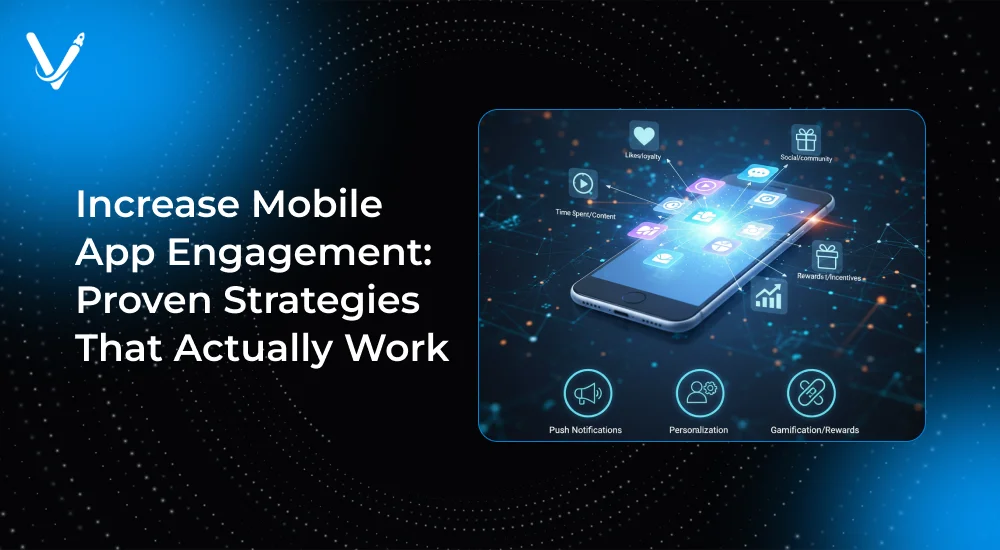
Push notifications are powerful tools for driving engagement, but they can easily become annoying if misused.
Effective notifications are timely, relevant, and actionable. They remind users of value rather than demanding attention. Examples include helpful reminders, personalized offers, or updates that align with user interests.
Segmenting users and tailoring notifications based on behavior improves effectiveness. Frequency should be carefully balanced to avoid notification fatigue.
Well-crafted push notifications bring users back to the app at the right moment and reinforce habits.
In-app messaging complements push notifications by delivering guidance or prompts while users are actively engaged.
Contextual messages help users discover features, complete tasks, or understand updates. For example, a message may appear when a user reaches a milestone or encounters a new feature.
In-app messages feel less disruptive and more relevant because they appear within the app experience. They support learning and exploration without overwhelming users.
Used strategically, in-app messaging improves feature adoption and satisfaction.
Apps that become part of daily routines enjoy higher engagement and retention. Habit formation relies on consistent value, cues, and rewards.
Design triggers that remind users to return, such as daily goals, streaks, or reminders. Provide immediate feedback and rewards for actions to reinforce behavior.
Consistency matters. Predictable experiences build trust and familiarity. Over time, users associate the app with positive outcomes, making engagement effortless.
Habit-driven design encourages long-term usage without aggressive tactics.
Gamification adds elements of fun and motivation to non-gaming apps. Points, badges, levels, and challenges create a sense of progress and achievement.
Effective gamification aligns with user goals rather than distracting from them. For example, a productivity app may reward task completion, while a learning app may celebrate milestones.
Social elements such as leaderboards or sharing achievements increase engagement through friendly competition and community.
When designed thoughtfully, gamification enhances motivation and keeps users invested.
Social features deepen engagement by connecting users with others. Community-driven apps foster belonging and shared experiences.
Features such as comments, messaging, sharing, or collaboration allow users to interact and contribute. User-generated content adds authenticity and variety.
Social proof reinforces trust and encourages participation. When users see others engaging, they are more likely to do the same.
Strong communities transform apps into platforms rather than tools.
Performance issues quickly erode engagement. Slow loading times, crashes, or bugs frustrate users and lead to abandonment.
Optimizing performance ensures smooth interactions even under varying network conditions. Regular testing, monitoring, and updates help maintain reliability.
Users expect apps to work flawlessly. Stability builds confidence and encourages continued use.
Data-driven insights guide effective engagement strategies. Analytics reveal how users interact with the app, where they drop off, and what drives retention.
Track key engagement metrics and analyze patterns. Identify high-performing features and areas that need improvement.
Cohort analysis helps understand how engagement changes over time. A/B testing allows teams to validate design and feature decisions.
Continuous learning and iteration based on data lead to sustained engagement growth.
Stagnant apps lose relevance. Regular updates keep experiences fresh and exciting.
Content updates, feature enhancements, and seasonal themes give users reasons to return. Communicate updates clearly to highlight new value.
Listening to user feedback helps prioritize improvements that matter most.
A culture of continuous improvement signals commitment to user satisfaction.
Rewards motivate engagement when they align with user values. Discounts, exclusive content, or recognition encourage participation.
Loyalty programs reward long-term users and strengthen relationships. Personalized incentives increase effectiveness.
Rewards should feel earned and fair. Overuse reduces impact.
Thoughtful incentives reinforce positive behavior and engagement.
Every extra step in a user journey increases the risk of drop-off. Simplifying flows improves engagement.
Streamline sign-ups, reduce form fields, and minimize unnecessary confirmations. Use smart defaults and autofill where possible.
Clear calls to action guide users toward meaningful actions.
Reducing friction makes engagement feel effortless.
Not all users remain active continuously. Re-engagement strategies help bring back dormant users.
Personalized messages that highlight new features, improvements, or missed value can reignite interest. Timing and relevance are critical.
Avoid aggressive tactics. Respect user preferences and provide easy opt-out options.
Successful re-engagement rebuilds trust and interest.
Engagement and monetization should support each other. Aggressive monetization harms user experience and reduces engagement.
Design monetization models that add value, such as premium features, subscriptions, or in-app purchases that enhance functionality.
Engaged users are more willing to pay when they perceive fairness and value.
Balanced strategies drive sustainable revenue growth.
Different app categories require tailored engagement approaches. A gaming app, fitness app, or fintech app engages users in different ways.
Understanding category-specific behavior helps refine strategies. For example, gaming apps rely heavily on rewards and challenges, while productivity apps focus on efficiency and outcomes.
Customization based on app type increases relevance and effectiveness.
Mobile app engagement continues to evolve with technology and user expectations.
Artificial intelligence enables deeper personalization and predictive engagement. Voice interfaces and conversational experiences add new interaction modes.
Augmented reality and immersive features create richer experiences. Privacy-first design builds trust and transparency.
Staying ahead of trends helps apps remain competitive and engaging.
Increasing mobile app engagement requires more than a single tactic. It demands a holistic approach that prioritizes user value, thoughtful design, personalization, and continuous improvement.
Apps that succeed focus on building meaningful relationships rather than chasing short-term metrics. They listen to users, adapt to change, and deliver consistent value.
By implementing proven engagement strategies that actually work, businesses can reduce churn, boost retention, and create apps users genuinely love.
If you are looking to increase mobile app engagement through smart design, personalization, and data-driven strategies, Vasundhara Infotech is here to help. Our team builds scalable, user-centric mobile solutions that drive real engagement and long-term growth. Let’s turn your app into an experience users keep coming back to.
Copyright © 2026 Vasundhara Infotech. All Rights Reserved.