2D & 3D game development
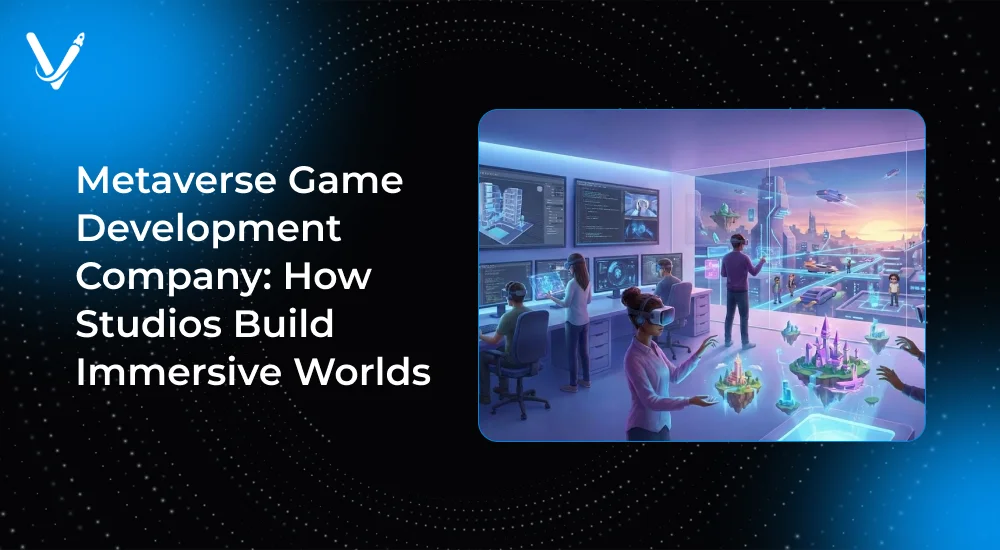
Metaverse Game Development Company: How Studios Build Immersive Worlds

 Dec 25, 2025


A metaverse game development company builds immersive virtual worlds using 3D, AI, blockchain, and multiplayer tech to power next-gen gaming experiences.
Key Takeaways
The way people play, socialize, and experience digital environments is changing rapidly. Games are no longer just entertainment products; they are becoming living virtual spaces where players interact, create identities, attend events, trade digital assets, and build communities. This shift has given rise to the metaverse, a concept that represents shared, immersive, and persistent virtual worlds.
Behind every successful metaverse experience is a skilled metaverse game development company. These studios blend advanced technologies, creative design, and engineering expertise to craft worlds that feel alive and meaningful. Building a metaverse game is not simply about graphics or gameplay mechanics. It involves designing ecosystems that evolve, scale, and support continuous interaction.
This article explores how metaverse game development companies build immersive worlds, the technologies they use, the processes they follow, and the challenges they overcome. You will gain a deep understanding of what makes metaverse game development unique and why it is shaping the future of interactive entertainment.
Metaverse game development refers to the creation of persistent virtual environments where users can interact with each other and the world in real time. Unlike traditional games that have clear beginnings and endings, metaverse games are ongoing platforms that continue to evolve.
A metaverse game development company focuses on long-term engagement rather than one-time gameplay. The goal is to create an ecosystem where players can socialize, create content, participate in economies, and express identity.
These worlds often include avatars, virtual property, digital assets, events, and user-generated content. The experience extends beyond gameplay into social interaction and digital lifestyle.
Traditional game development centers on predefined levels, scripted stories, and limited interaction. Once players complete the content, engagement often declines.
Metaverse game development shifts the focus to openness and persistence. Worlds are designed to exist continuously, even when players log off. User actions influence the environment, economy, and social dynamics.
This requires a different mindset and technical approach. Metaverse games must handle large numbers of concurrent users, support customization, and adapt to player-driven experiences.
A metaverse game development company designs systems that encourage creativity, collaboration, and long-term participation.
A metaverse game development company acts as both a creative studio and a technology partner. Its role goes beyond coding and asset creation.
These companies help conceptualize the virtual world, define the user experience, select technology stacks, build scalable infrastructure, and plan monetization strategies. They also provide ongoing support, updates, and optimization.
The studio collaborates with designers, artists, engineers, economists, and community managers to ensure the world remains engaging and sustainable.
At the heart of metaverse game development are powerful game engines that support real-time rendering, physics, and animation. Engines such as Unity and Unreal Engine are widely used to build immersive environments.
3D modeling tools create characters, environments, and assets that bring the virtual world to life. Attention to detail, lighting, and scale enhances immersion and realism.
Metaverse games rely on robust multiplayer systems that allow thousands of players to interact simultaneously. Networking architecture must ensure low latency, synchronization, and stability.
Cloud infrastructure enables scalability, allowing worlds to grow as user numbers increase. Load balancing and server management ensure consistent performance.
AI plays a significant role in creating dynamic and responsive environments. Non-player characters can exhibit intelligent behavior, adapt to player actions, and enrich storytelling.
AI also supports personalization, content moderation, matchmaking, and analytics. These systems help maintain balance and engagement across the metaverse.
Many metaverse games incorporate blockchain technology to enable ownership of digital assets. Virtual land, items, and currencies can be tokenized and traded.
Smart contracts support transparent transactions and player-driven economies. A metaverse game development company designs these systems carefully to ensure fairness and sustainability.
Virtual reality and augmented reality enhance immersion by bridging physical and digital spaces. XR technologies allow players to experience worlds more intuitively and interact naturally.
While not all metaverse games require VR, support for immersive devices expands accessibility and future readiness.
World-building is the core of metaverse game development. A believable and engaging world encourages exploration and emotional connection.
Designers define the world’s theme, history, rules, and visual identity. Every element must feel cohesive and purposeful.
Environmental storytelling helps players understand the world through visuals, architecture, and interaction rather than explicit instructions.
A metaverse game development company invests heavily in world-building to create spaces players want to inhabit long term.
Avatars represent players in the metaverse. Customization options allow users to express personality, style, and identity.
Advanced avatar systems support detailed customization, animations, and interactions. Social presence becomes more meaningful when avatars feel personal and expressive.
Identity design also includes progression systems, reputation, and achievements that reflect a player’s journey within the world.
Metaverse games thrive on social interaction. Features such as chat, voice communication, emotes, and shared activities foster connection.
Community spaces like hubs, events, and collaborative missions encourage players to gather and interact. These interactions transform games into social platforms.
A metaverse game development company designs social systems that are inclusive, safe, and engaging.
User-generated content is a powerful driver of engagement in metaverse games. Allowing players to create assets, experiences, or events increases diversity and creativity.
Developer-provided tools empower creators to build without deep technical knowledge. Moderation and quality control ensure a positive ecosystem.
By enabling creators, studios expand content production beyond internal teams and strengthen community ownership.
A sustainable economy is essential for long-term success. Metaverse game development companies design virtual economies that balance supply, demand, and incentives.
Monetization strategies may include digital assets, subscriptions, cosmetics, events, or marketplace fees. Transparency and fairness build trust.
Economies must adapt to player behavior and market dynamics. Continuous monitoring and adjustment maintain stability.
Metaverse games aim to keep players engaged over months or years. Regular updates, seasonal events, and evolving narratives sustain interest.
Progression systems reward participation and mastery. Social bonds and community involvement deepen commitment.
A metaverse game development company plans engagement as an ongoing process rather than a one-time launch effort.
As metaverse worlds grow, performance becomes critical. Lag or instability breaks immersion and frustrates users.
Studios optimize assets, networking, and server architecture to support large populations. Testing under real-world conditions ensures reliability.
Scalable design allows worlds to expand without compromising experience.
Metaverse environments require strong security to protect users and assets. Data privacy, transaction security, and account protection are essential.
Moderation systems prevent abuse, harassment, and fraud. AI-assisted moderation helps manage large communities efficiently.
Trust and safety are foundational to successful metaverse ecosystems.
Building immersive worlds presents unique challenges. High development costs, technical complexity, and evolving standards require careful planning.
Balancing creative freedom with performance constraints is difficult. Ensuring accessibility across devices adds another layer of complexity.
Metaverse game development companies address these challenges through experience, iteration, and collaboration.
Metaverse games open new revenue streams and engagement models. Brands use virtual worlds for marketing, events, and community building.
Enterprises explore metaverse platforms for training, collaboration, and digital presence. Gaming studios leverage metaverse concepts to extend franchises.
A metaverse game development company helps businesses align creative vision with strategic goals.
The metaverse continues to evolve. Advances in AI, XR, and networking will deepen immersion and interactivity.
Interoperability between worlds may allow users to move assets and identities across platforms. Creator economies will expand, empowering new forms of digital entrepreneurship.
Studios that invest in adaptable architectures and innovation remain competitive as the landscape changes.
Selecting the right development partner is crucial. Experience in multiplayer systems, 3D design, and scalable architecture matters.
A strong partner understands both technology and community dynamics. Transparency, communication, and long-term support ensure success.
The right studio transforms ideas into living worlds.
A metaverse game development company plays a central role in shaping the future of digital interaction. By combining creativity, technology, and strategy, these studios build immersive worlds that go beyond traditional gaming.
Metaverse games offer persistent environments where players connect, create, and thrive. Success depends on thoughtful world-building, robust infrastructure, and community-focused design.
As the metaverse continues to grow, studios that prioritize immersion, scalability, and user value will define the next generation of virtual experiences.
If you are planning to build a next-generation metaverse game or immersive virtual world, Vasundhara Infotech is your trusted partner. We specialize in metaverse game development, immersive technologies, and scalable digital ecosystems that bring visionary ideas to life. Let’s build a world players will love to explore.
Copyright © 2026 Vasundhara Infotech. All Rights Reserved.